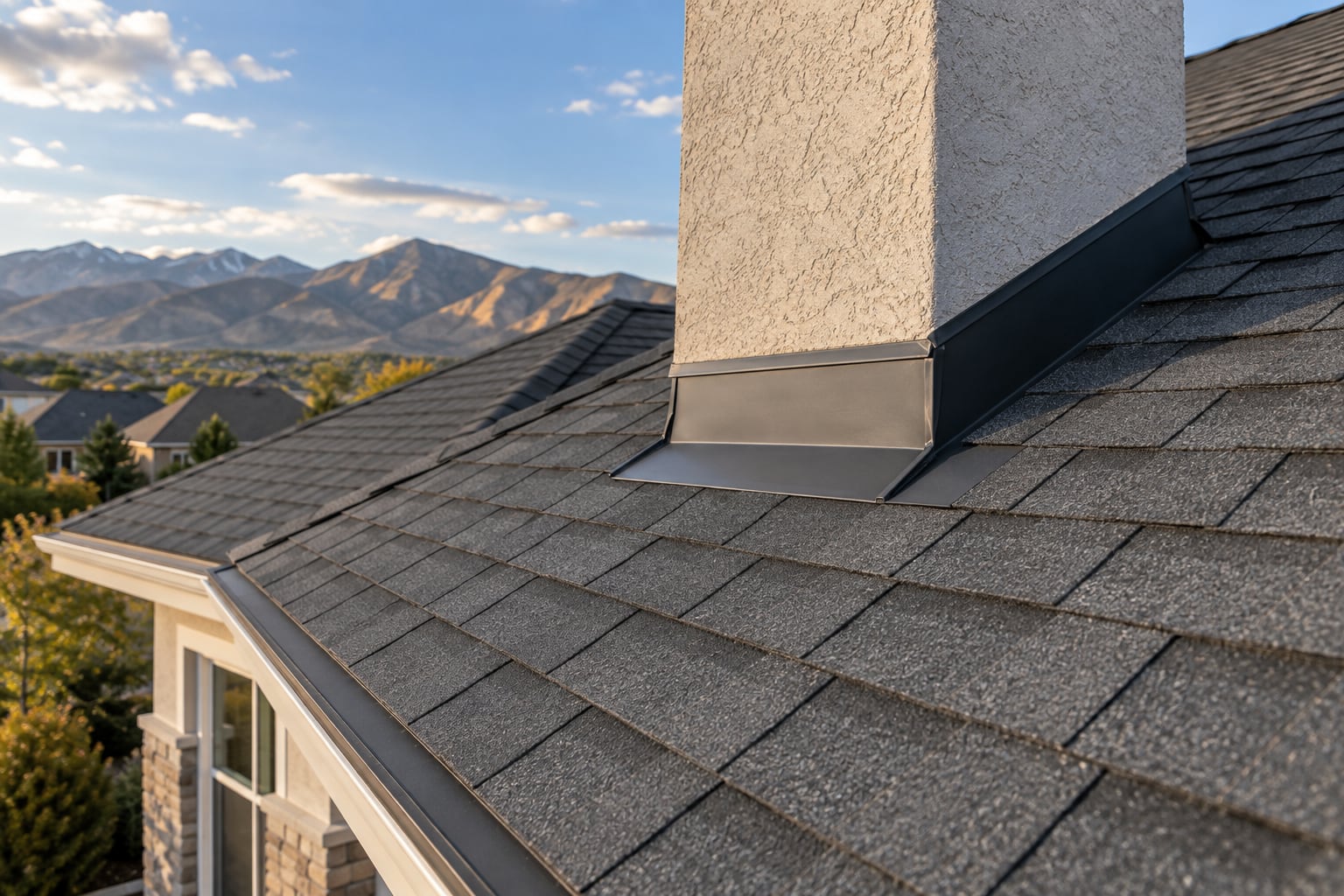
Residential Roof Repair

Roof Repair That Starts With the Source of the Problem

We investigate leaks, damaged details, and weather-related concerns so you can understand what failed, what can be repaired, and what deserves a broader conversation.

Best starting pointWhere and when you noticed the problem
We look beyondThe first visible stain or missing shingle
Useful contextStorm timing, repair history, and roof age
Our goalA clear, proportionate next step

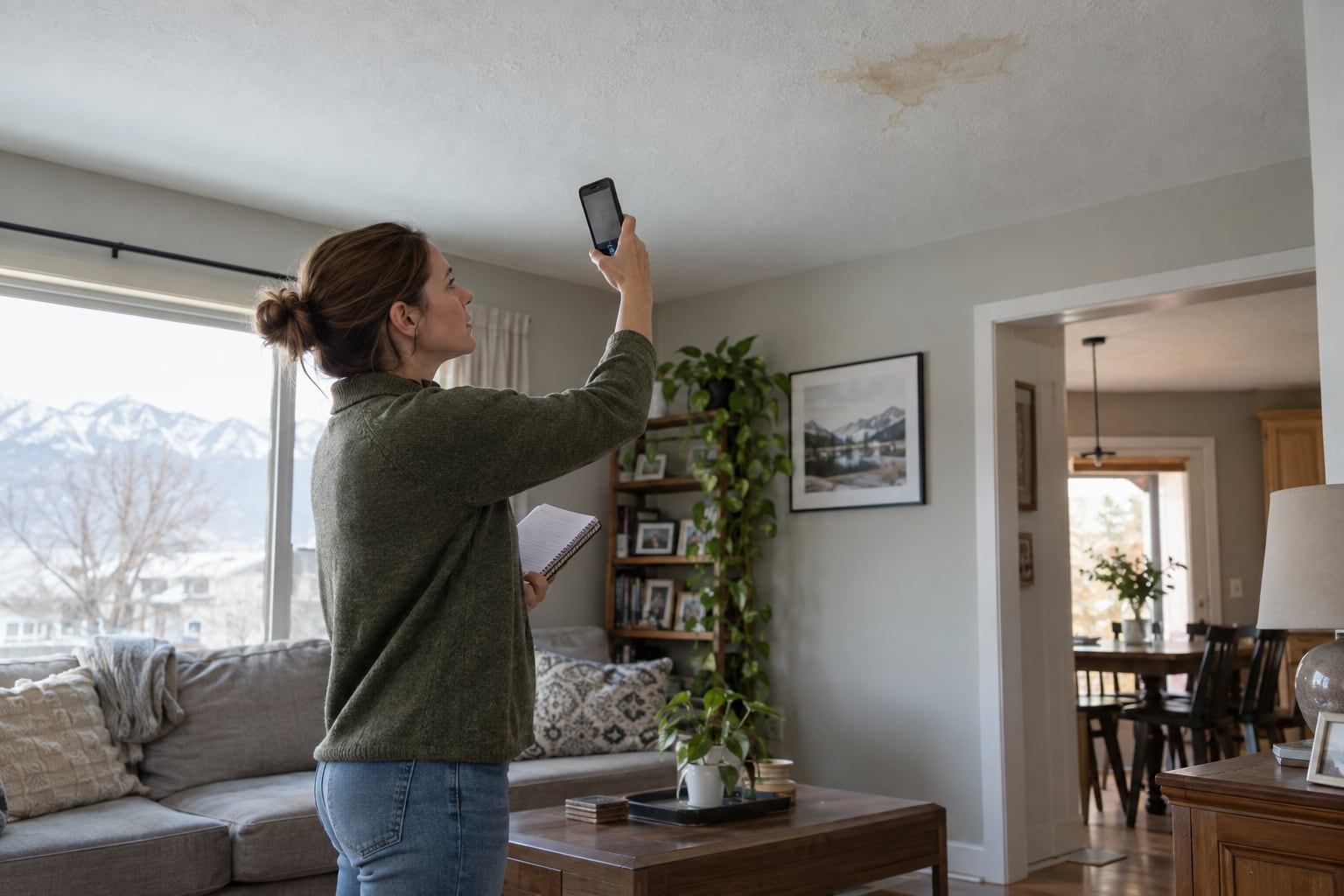
A ceiling stain is evidence, not always the entry point

Water can move along decking, framing, underlayment, and penetrations before it becomes visible indoors. We use the location of the symptom as one clue, then look at the roof shape and surrounding details to narrow the source.
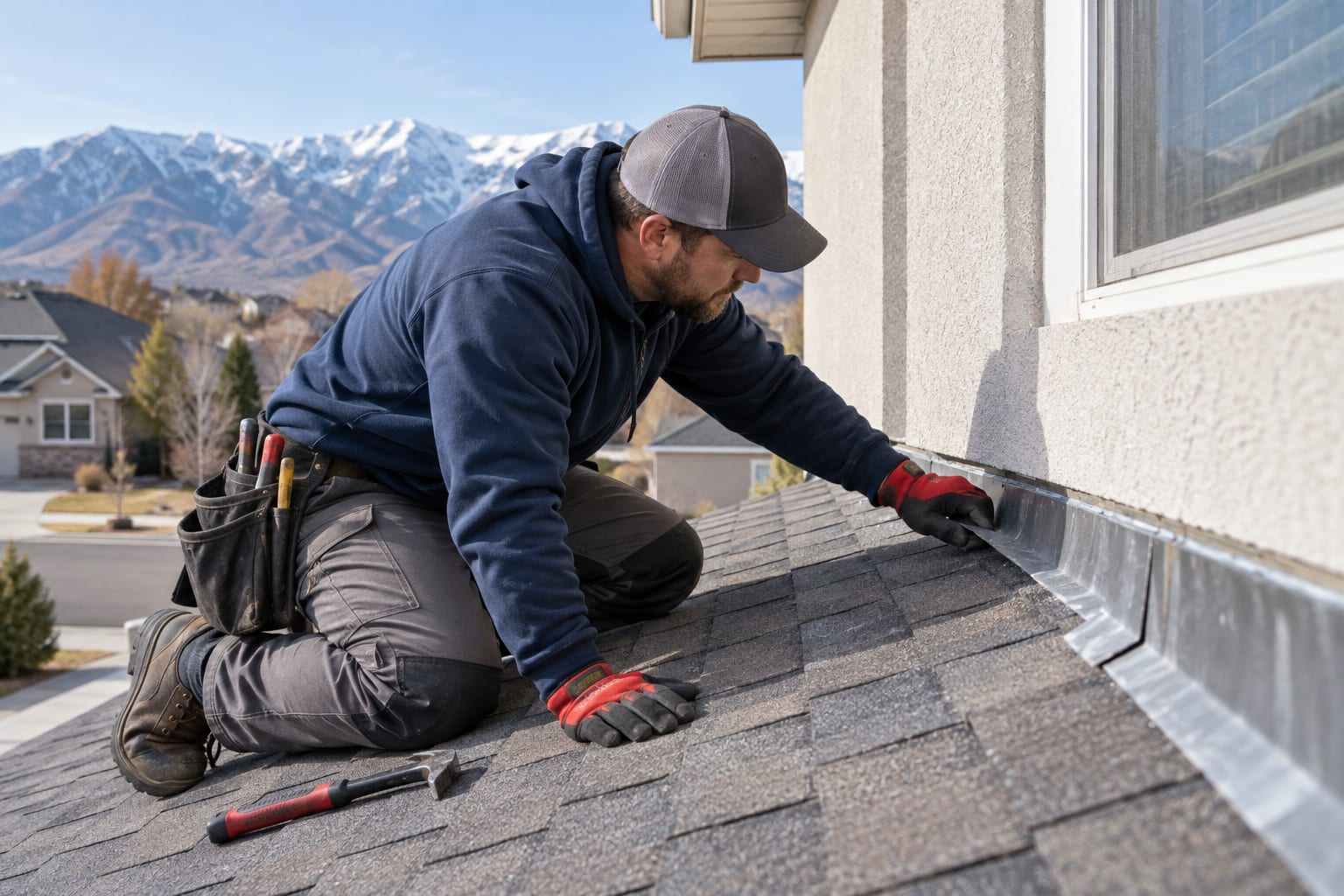
Roofing professional evaluating a roof flashing transition

How We Help

What we will help you understand

Leak investigation

We connect interior evidence with roof geometry, penetrations, transitions, and weather conditions.

Flashing and detail repairs

Walls, chimneys, vents, valleys, and edges can fail even when surrounding shingles still look serviceable.

Wind and weather concerns

Lifted, creased, missing, or displaced materials deserve timely review after severe conditions.

Repair-versus-replace guidance

We compare the isolated issue with the condition and repair history of the full roof.

What to Know

What to document before you call

Photos of the interior and exterior, the time of day, recent weather, and whether the leak appears only during wind-driven rain or snowmelt can all improve the conversation.

  • Interior stain or drip location
  • Recent wind, rain, hail, or snowmelt
  • Known roof age and prior repairs
  • Any attic moisture or ventilation concern
What to document before you call roofing context

Practical Context

Safety comes before a closer look

You do not need to climb onto the roof. Wet, icy, steep, or storm-damaged surfaces are hazardous. Ground-level photos and a clear description are enough to start.

Safety comes before a closer look roofing context

A focused repair may fit when

  • The issue is isolated
  • Surrounding materials remain serviceable
  • The entry point can be addressed
  • Repair history is limited

Replacement deserves discussion when

  • Damage is widespread
  • Leaks recur in multiple areas
  • Materials are brittle or heavily worn
  • Repeated patches no longer provide confidence

A Clear Path

What happens after you contact us

1Share the symptoms

Tell us where water, damage, or material movement appeared and what was happening when you noticed it.

2Review the surrounding roof

We look at likely entry points, nearby details, roof age, and previous work.

3Clarify the scope

We explain whether a focused repair appears reasonable or a broader evaluation is needed.

4Plan the work

We coordinate access, timing, repair details, cleanup, and follow-up after completion.

Helpful Answers

Frequently Asked Questions

These answers cover common homeowner questions about the roof and the next step.

What are common signs that a roof needs repair?

Missing or lifted shingles, ceiling stains, damp attic materials, exposed fasteners, damaged flashing, and recurring trouble around vents or roof intersections are all reasons to request an evaluation. The visible symptom may not be directly above the entry point, so we look at the surrounding roof system.

Can a roof leak be repaired without replacing the whole roof?

Often, yes. A localized issue may be repairable when the surrounding roof is in serviceable condition. If damage is widespread, materials are brittle, or previous patches have not held, replacement may be the more durable path.

What should I do while the roof is actively leaking?

Protect the interior if you can do so safely, move belongings away from the water, and note where and when the leak appears. Avoid climbing onto a wet, icy, or storm-affected roof. Contact us with photos and timing details so we can discuss the next step.

Why can roof leaks be difficult to trace?

Water can travel along decking, framing, underlayment, or penetrations before it becomes visible inside. Wind direction, melting snow, and the roof's geometry can also change where water enters.

Will you tell me if repair is still a reasonable option?

Yes. We compare the localized problem with the roof's broader condition and repair history. Our goal is to explain the practical options, not start with a predetermined scope.

What workmanship warranty applies to a roof repair?

Roof repairs include a one-year workmanship warranty. We will explain the covered repair scope and any product-specific information before work begins.

Can flashing or roof penetrations cause a leak?

Yes. Chimneys, vents, skylights, walls, valleys, and other transitions depend on properly integrated flashing and seal details. Those areas deserve careful review when moisture appears nearby.

Tell Us About the Roof

Share the roof concern and the best way to reach you.

Include the property address, what you noticed, and any timing that matters. You do not need to diagnose the roof yourself.

Start the Conversation

Request a Roof Repair Review

Tell us about the roof concern, property, and timing so we can help with the next step.

We will review your request and call you about the next step. Submitting this form does not create an appointment.